

Library
The Knowledge Exchange Hour- Professional Communication
The Knowledge Exchange Hour: 3 Simple Steps to Own Every Room You Enter
Have you ever walked into a professional setting and felt like a passive onlooker rather than an active participant? Whether you are heading to a job interview, stepping into a team meeting, or presenting a lecture, the way you carry yourself and communicate determines your impact.
By mastering three foundational concepts—Positive Body Language, Reading the Room, and Contextual Speech—you can instantly elevate your communication style and take your rightful seat at the table.
1. Master Positive Body Language First
Before you even utter a single word, your physical presence speaks for you. Positive body language breaks down invisible barriers and builds immediate rapport.
Hit reset: Take a deep breath to center yourself before walking in.
Fix your posture: Consciously relax and straighten your shoulders to project calm confidence.
The classic connectors: Never underestimate how far a genuine smile and a firm handshake can go.
Take your seat: In a meeting, always respect the seating access of others, but make sure you physically and metaphorically "take your seat" at the table. You belong in the room.
2. Read the Room Before You React
A great communicator doesn't just walk in and start talking; they assess the environment. Awareness gives you the upper hand and allows you to adapt your approach seamlessly.
Do your homework: Ahead of a meeting, make sure you are fully aware of the agenda and the attendees. If it’s a lecture, know the topic, the audience, and the presenter.
Scan the environment: As you walk into the room, look around. What is the baseline energy? Are people stressed, quiet, or jovial?
Be the anchor: Remember, even in a high-stress meeting, one person can steer the conversation toward positivity and constructive problem-solving. Let that person be you.
3. Deploy Contextual Speech
Once you have established your presence and assessed the environment, it is finally time to convey your message. The scale of your audience does not change the core rules of engagement.
Pace your message: It doesn’t matter if you are speaking to a single individual, your immediate team, or a massive audience. Speak slowly and purposefully to ensure your message lands.
Listen first, respond second: The ultimate foundation of good communication isn't just speaking—it is listening deeply and then responding appropriately based on what you heard.
Put It into Practice
Applying these three basic concepts to any professional scenario will drastically improve your communication. Don't wait for a high-stakes corporate presentation to try this out. Next time you go to the bank, attend your weekly team sync, sit for a job interview, or deliver a lecture, actively practice these shifts. You will notice an immediate difference in how people respond to you.
Shared in the NASIHA Knowledge Library
NASIHA members share resources, teach, and give each other feedback. Apply to become a member to browse the full library and join the discussion, or sign in.
More by Uzma Khan

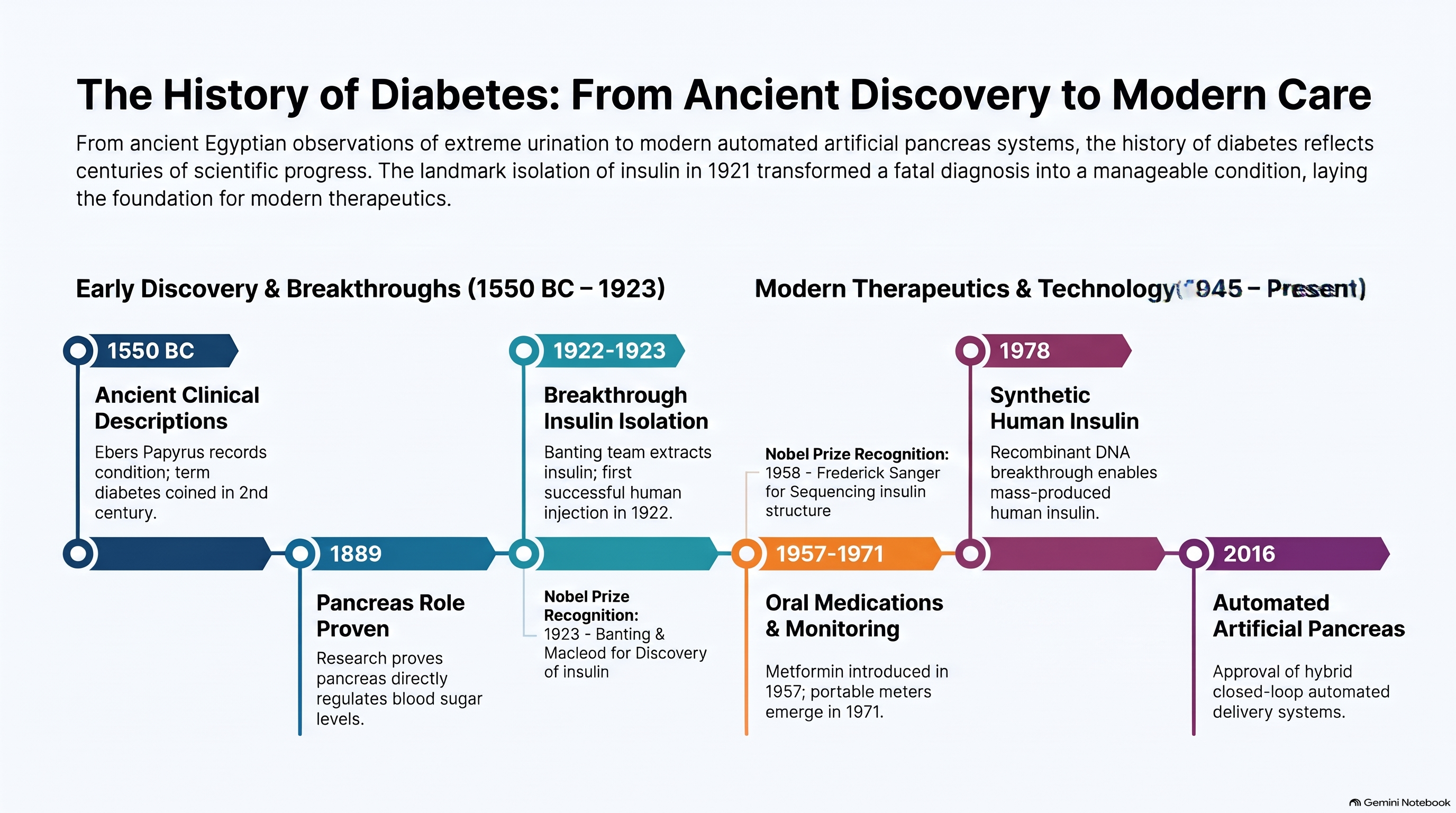
November 14: Celebrating the Legacy of Insulin and Diabetes Awareness
"November is National Diabetes Awareness Month in the United States, and November 14 is World Diabetes Day—a global movement to recognize the estimated 1 in 9 adults worldwide livi…
Uzma Khan · Nov 13, 2026

A medical curriculum vitae functions primarily to differentiate applicants for various professional positions while serving as an organized log of acquired skills and achievements.…
Uzma Khan · Oct 5, 2026

Looking back over the years, I try to pinpoint when it became important for a teacher to know everything rather than to be a guide towards acquiring knowledge. As I look at the stu…
Uzma Khan · Sep 19, 2026