
Library
Who determines "objectives" for learning?
As a clinician, patient interactions directed my learning journey. I remember how, as a young faculty member, I was introduced to motivational interviewing. I was invited to attend a session where I interviewed a patient and the whole visit was recorded. At the end, the recording was handed to me for review to improve my clinical skills. I still have that recording of a patient sitting in front of me, trying to discuss her high blood pressure while I try to tell her what to do to control her blood pressure. At no point do I encourage her to participate. This video recording was handed to me without any instructions about how to change or improve my clinical skills. The first time I looked at that recording, I was embarrassed to see how I had brushed aside several concerns the patient had brought up just because I did not feel those were important enough. By the end of the session, the patient had given up; her attitude was muted, unconcerned almost, as she left the room.
As a teacher, I reviewed Bloom’s taxonomy to create appropriate learning objectives, going through the six categories of cognitive skills needed for learners. I visualized the pyramid! The foundational cognitive skill of knowledge leading to comprehension, application, analysis, resulting in the ability to synthesize and finally evaluate the knowledge. I imagined the student in front of me 5 years from now and prepared the "objectives" for my lecture.
A young child may learn more based on what a teacher thinks they need to learn. But is this true for every student, especially for one who will be dealing with life- and- death situations? Doctors, lawyers, journalists and engineers. It becomes important to treat that person as an adult.
What do my students want to learn? Now I realize, as a teacher I should be asking this question before stating on a slide: here are the three objectives I want you to learn from my lecture!
Shared in the NASIHA Knowledge Library
NASIHA members share resources, teach, and give each other feedback. Apply to become a member to browse the full library and join the discussion, or sign in.
More by Uzma Khan
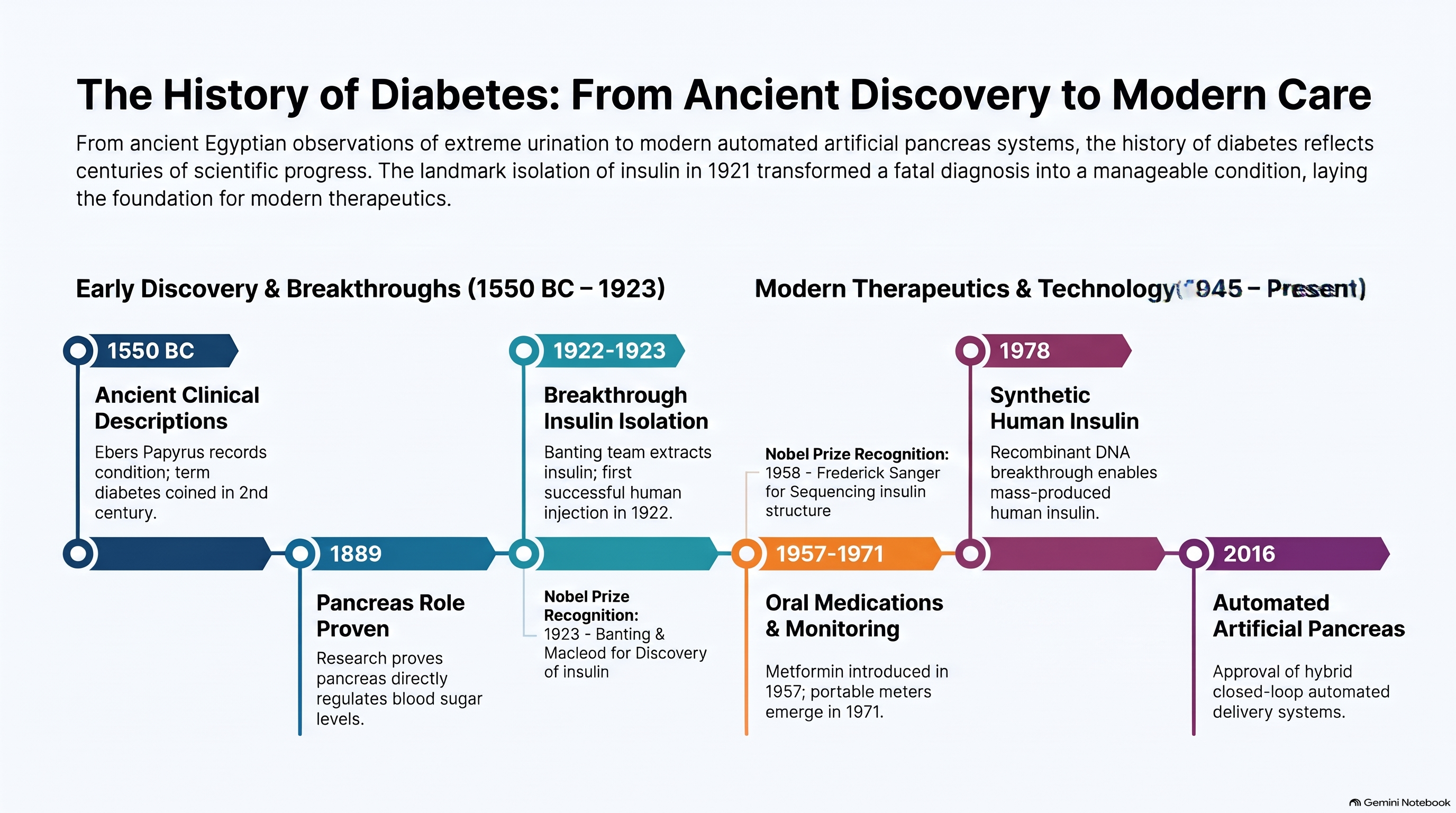
November 14: Celebrating the Legacy of Insulin and Diabetes Awareness
"November is National Diabetes Awareness Month in the United States, and November 14 is World Diabetes Day—a global movement to recognize the estimated 1 in 9 adults worldwide livi…
Uzma Khan · Nov 13, 2026

The Knowledge Exchange Hour- Professional Communication
The Knowledge Exchange Hour: 3 Simple Steps to Own Every Room You Enter Have you ever walked into a professional setting and felt like a passive onlooker rather than an active part…
Uzma Khan · Nov 3, 2026

A medical curriculum vitae functions primarily to differentiate applicants for various professional positions while serving as an organized log of acquired skills and achievements.…
Uzma Khan · Oct 5, 2026